Tournament Ready: Four Seasons of Play in South Lake Tahoe
By: Stuart Maas

By: Stuart Maas
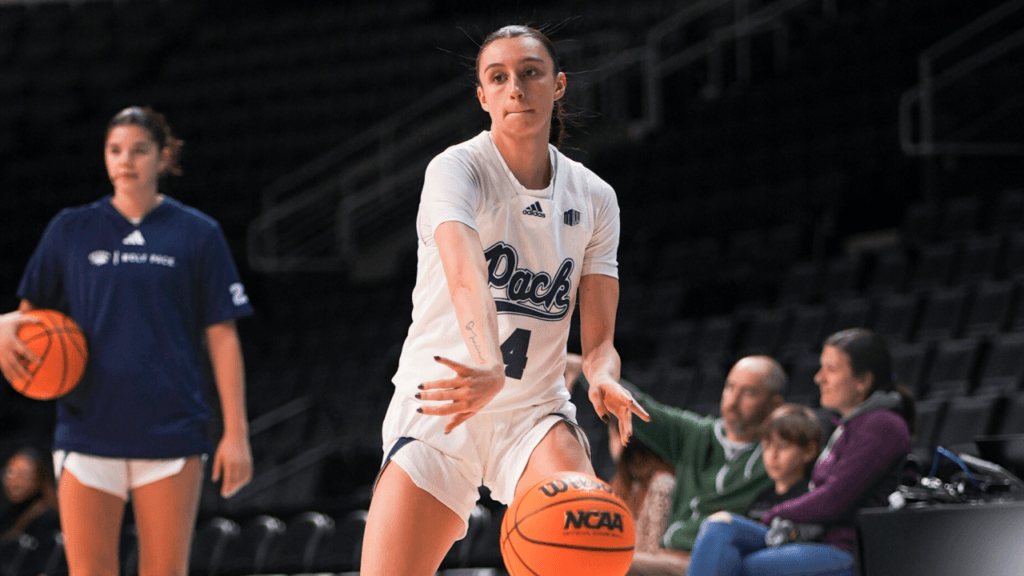
The tournament is why they come. South Lake Tahoe is why they come back.
For sports and meeting planners, finding the right host destination is a balancing act. You need the infrastructure to run a seamless event, and you need enough beyond the schedule to make athletes, families, and coaches glad they made the trip.
South Lake Tahoe checks both columns. With 16 soccer fields, 13 baseball and softball fields, 15 indoor basketball and volleyball courts, a new aquatics and recreation center, and one of the most versatile indoor event venues in the Sierra Nevada, the South Shore is built to host. The alpine scenery, the lake, the trails, and the après-competition energy are everything else.
Here is how it plays out, season by season.

Best for: Soccer, lacrosse, flag football, aquatics, and swimming.
Spring is the shoulder season that serious planners already know about. Rates are friendlier, venues are more available, and the destination is in a genuinely dramatic state: snowcapped peaks, wildflowers starting to push through, and a lake that looks like it was designed to make your tournament photos go viral.
For outdoor multi-sport events, the LTCC Community Play Consortium fields offer a multi-field outdoor complex with a one-stop booking system that removes the usual scheduling headaches. For aquatics and indoor competition, the newly built South Lake Tahoe Recreation and Aquatics Center features a lap pool for swim meets, a collegiate-sized gymnasium with two high school cross courts (bleacher seating for 320), and a dedicated event space purpose-built for this use.
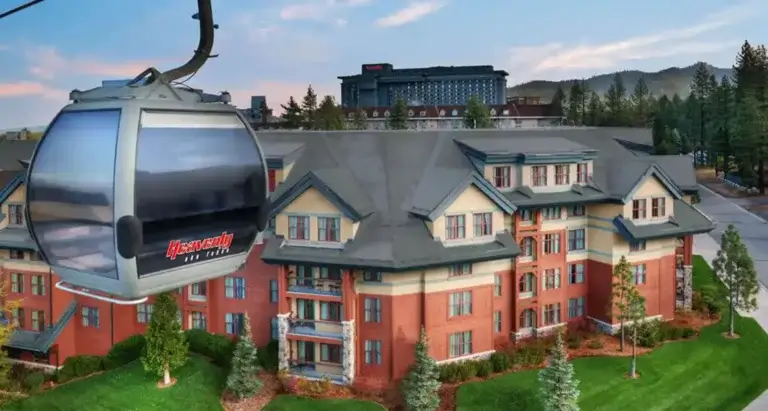
If the snowpack cooperates (and in early spring, it often does), a gondola ride or snow play day at Heavenly Mountain Resort makes an effortless team reward after competition wraps. Trails are starting to open. The South Shore is waking up, and the crowds have not arrived yet.
Planner tip: Spring break (late March through mid-April) creates a hotel crunch that can catch planners off guard. Either lean into the school break window intentionally and book room blocks six or more months out, or schedule around it entirely. The shoulder window outside of spring break is where the real value lives.
Best for: Basketball, indoor and beach volleyball, baseball and softball, paddleboard racing, open water swimming.
Summer is the most compelling sell and the most competitive window. The days are long, the weather is about as good as it gets anywhere, and families need very little convincing. The South Shore’s beaches, paddleboarding, and boating do the promotional work for you: parents stop thinking of the weekend as a tournament trip and start thinking of it as a vacation.
The Tahoe Blue Event Center is the anchor for indoor summer competition — an NBA-regulation basketball court with seating for 4,650 and 27,000 square feet of flexible floor space built to handle multi-court tournament formats and large-group draws. For beach volleyball, Regan Beach offers sand courts on the lake, space for spectators, and a backdrop that no gymnasium can replicate.
Planner tip: Nine to twelve months of lead time is standard for summer. Start your room block conversations early, and lead with the “vacation upgrade” angle in team communications.
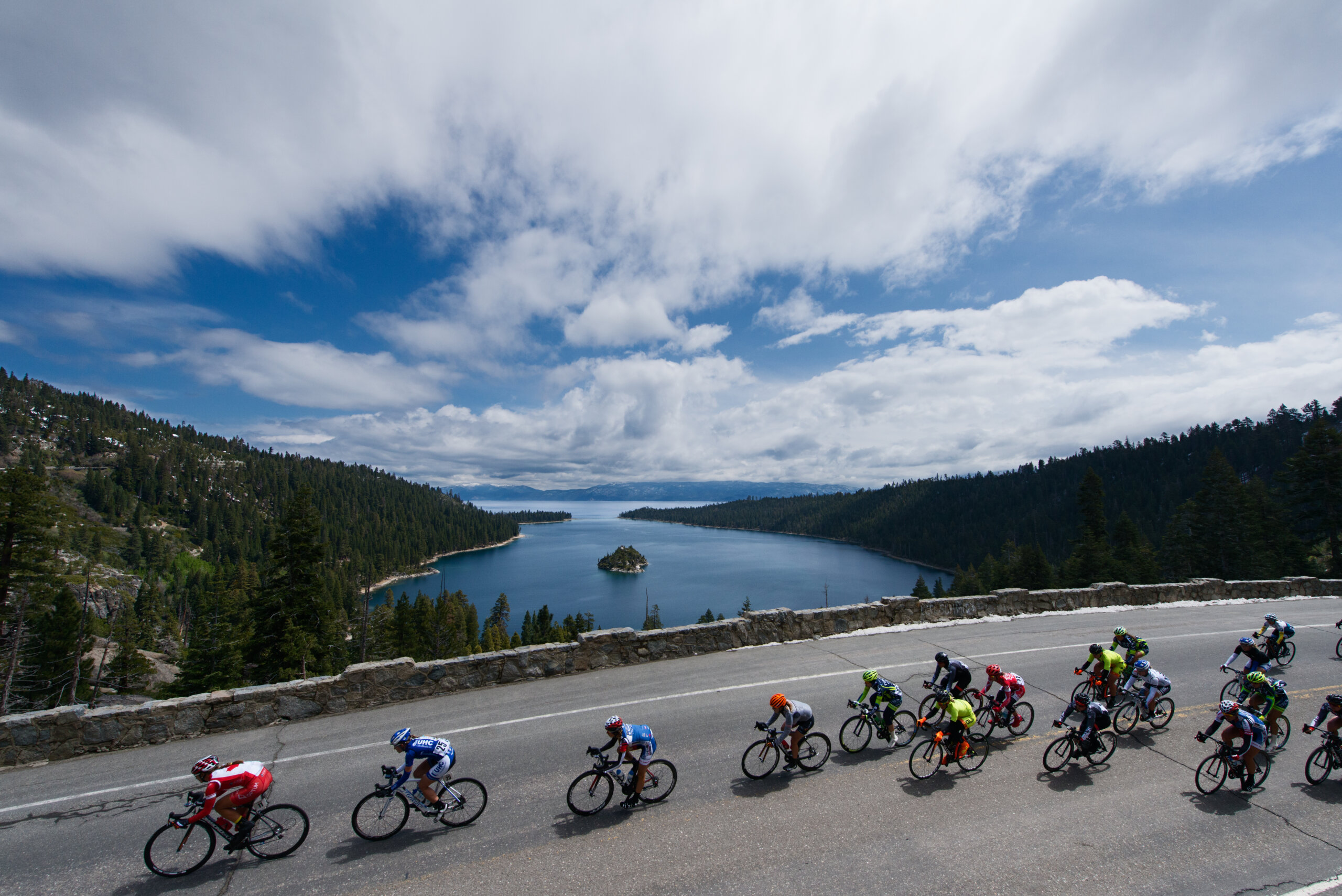
Best for: Soccer, cross country, flag football, tennis, cycling.
Fall is the sleeper season, and planners who know it treat it like a trade secret. After Labor Day, the summer crowds clear out, rates soften, and the South Shore enters arguably its most beautiful stretch of the year. The foliage turns, the light goes golden, and the whole destination becomes a genuine visual asset for team photos, highlight reels, and the social content your athletes and their families will be posting for weeks.
Athletically, it is also the strongest performance window. Cooler temperatures produce better times and faster play, and the fields reach peak condition. It’s ideal for multi-bracket soccer formats and cross-country staging alike.
Planner tip: If your event calendar has any flexibility, make the fall case to your organization. You get a premier destination at off-peak pricing with conditions that peak-season visitors would pay a premium for. It is one of the stronger value arguments in the sport tourism calendar.
Best for: Alpine skiing and snowboarding, ice hockey, figure skating, gymnastics, wrestling, cheer, and dance.
Winter flips the script in the best way. Instead of working around the season, you build your event into it. A youth ski or snowboard competition at Heavenly Mountain Resort offers 4,800 acres of terrain, with race infrastructure built for competitive alpine events at every level, and a recruiting argument no spring soccer tournament can touch. Kids talk about it more. Parents plan for it earlier.
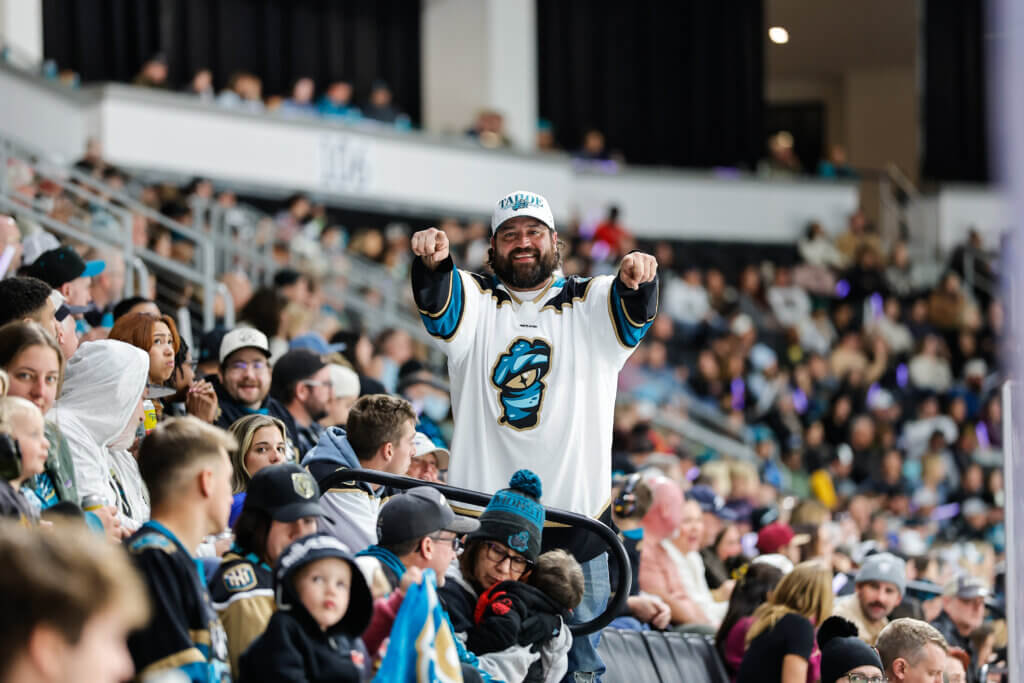
For non-snow sports, the Tahoe Blue Event Center delivers an NHL-regulation ice rink with seating for 3,900 alongside flexible floor space for gymnastics, wrestling, and cheer under the same roof. The combination of ice and multi-sport indoor capability in a single venue is genuinely rare and worth building a tournament weekend around.
Planner tip: Weather is a factor in winter, so build contingency plans into your schedule and communicate them clearly. For many families, though, snow is part of the appeal, not a drawback.
No matter what season is the best fit for you and your crew, we’re here to help from the get-go. Ready to start planning? Submit an RFP with the Visit Lake Tahoe sports planning team andexplore all available sports venues to start building your event.
Lodging in Lake Tahoe