Get Going
Answers to all your questions about Lake Tahoe
Learn about the weather, find out how to get here, and much more in our FAQ section

Get Going
Answers to all your questions about Lake Tahoe
Learn about the weather, find out how to get here, and much more in our FAQ section
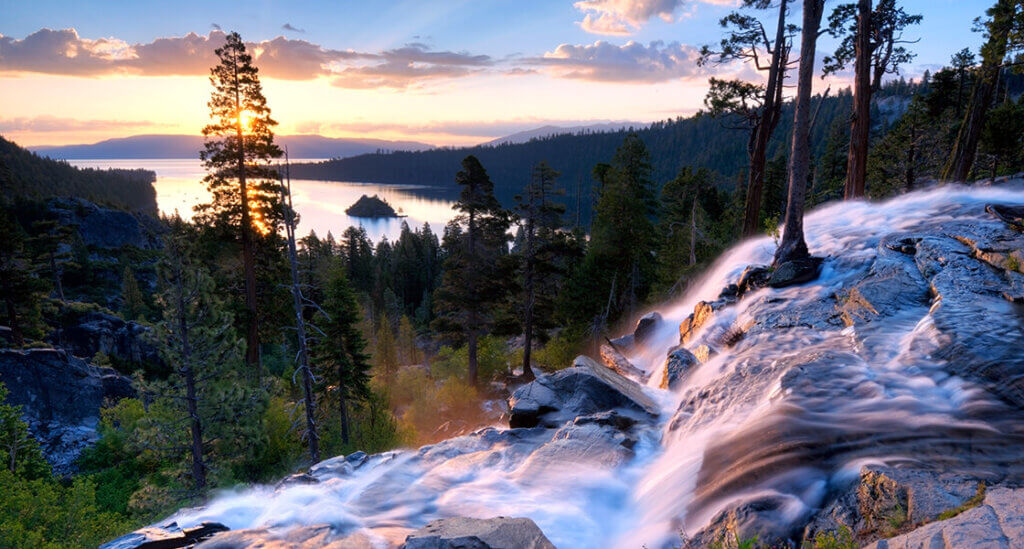
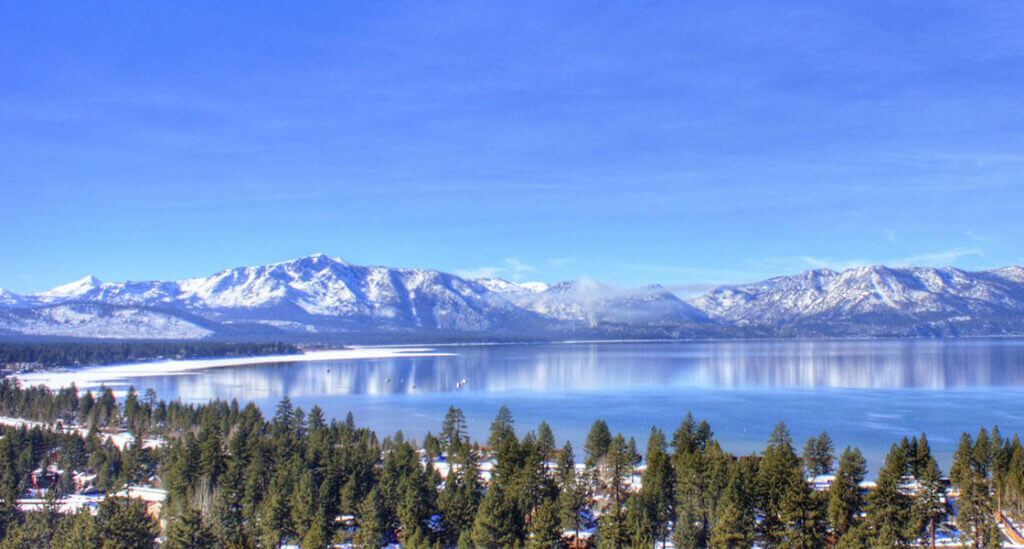
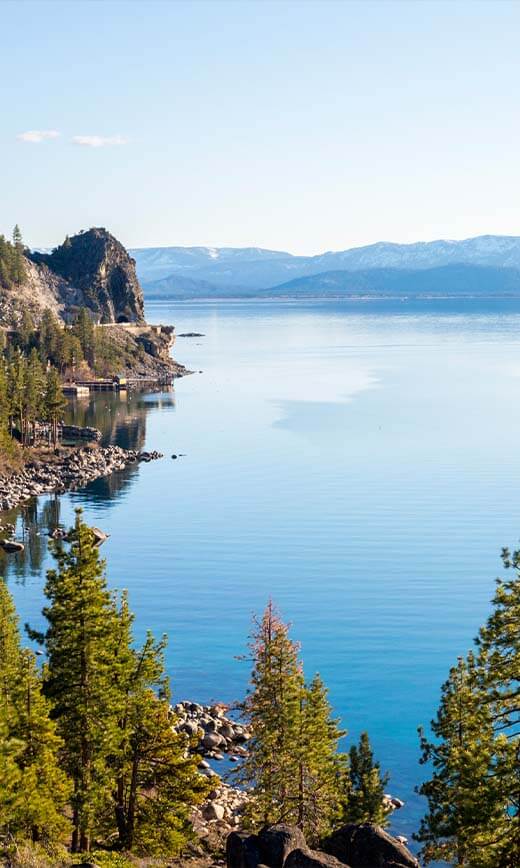
Lake Tahoe is a national treasure because it’s one of the world’s largest, deepest, and clearest mountain lakes. The U.S. Forest Service and State of Nevada and California agencies manage nearly 85 percent of the Tahoe watershed land. The rest is private property. Learn more about why people love Lake Tahoe’s natural beauty and year-round recreational opportunities.
Lake Tahoe is nestled in the Sierra Nevada mountains on the border of California and Nevada, about a two-hour drive from Sacramento and three and a half hours from San Francisco. The nearest airport is Reno-Tahoe International Airport, which is just a one-hour drive. Renowned for its crystal-clear waters, alpine scenery, and year-round outdoor recreation, it’s one of the most popular mountain destinations in the United States.
South Lake Tahoe was named Expedia’s #1 Trending Destination for 2027, following a 195% year-over-year increase in travel searches. From world-class skiing and outdoor adventures to breathtaking scenery, dining, and entertainment, South Lake Tahoe offers unforgettable experiences in every season.
Read more about South Lake Tahoe’s Expedia recognition.
Lake Tahoe stretches approximately 22 miles from north to south and is about 12 miles wide at its widest point. Its scenic shoreline spans 72 miles, making it a popular destination for boating, hiking, sightseeing, and exploring year-round.
Lake Tahoe is approximately 11 miles wide at its widest point. Combined with its 22-mile length and 72 miles of shoreline, the lake offers endless opportunities for outdoor recreation and breathtaking alpine views.
Lake Tahoe is 1,645 feet deep at its deepest point, making it the second deepest lake in the United States, only surpassed by Crater Lake. Its remarkable depth contributes to the lake’s famously clear, blue waters and stunning alpine beauty.
Driving the full loop around Lake Tahoe takes about 2 to 3 hours without stopping. Most visitors allow 4 to 6 hours to enjoy scenic overlooks, beaches, hiking trails, and charming towns along the 72-mile route.
Lake Tahoe covers approximately 191 square miles, making it the largest alpine lake in North America. The surrounding Lake Tahoe watershed spans about 501 square miles, encompassing the marshes, forests, mountains, and streams that feed the lake.
With an average of 278 sunny days a year, the chances are high that you will enjoy great weather conditions during your summer and winter vacations.
| High | Low | |
| Jan | 37 | 16 |
| Feb | 39 | 18 |
| Mar | 44 | 21 |
| Apr | 50 | 26 |
| May | 60 | 32 |
| Jun | 69 | 38 |
| Jul | 79 | 43 |
| Aug | 79 | 42 |
| Sep | 80 | 37 |
| Oct | 58 | 31 |
| Nov | 47 | 24 |
| Dec . | 40 | 19 |
Additional weather resources:
Both sides of the Lake are amazing. South Lake Tahoe has more options for Lodging, Dining, Recreation, and Nightlife.
The closest major airport is Reno-Tahoe International Airport (RNO), located about a 1-hour drive from South Lake Tahoe. Rental cars, shuttle services, and private transportation are available from the airport to the lake.
South Lake Tahoe is easily accessible by car from several major cities. The drive takes approximately 2 hours from Sacramento, 3.5 to 4 hours from San Francisco, and 1 hour from Reno, with scenic highways leading directly into the Tahoe Basin.
Yes, many of Lake Tahoe’s most popular attractions are accessible to visitors with mobility and other accommodations needs. You’ll find accessible beaches, scenic viewpoints, hiking trails, parks, and public facilities throughout the region, making it easier for everyone to experience Tahoe’s natural beauty. For more details, visit our accessibility information page.
While it can snow in literally any month of the year, October is usually when the first storms that “stick” occur, meaning that some of the snow remains on the ground. Ski Season does not typically begin until late November, however, since the mountains need a solid base to be ready for shredding.
Usually, Ski Season begins by Thanksgiving (late November) and ends mid-April.
There are over 20 ski areas around the lake. Heavenly Mountain Resort, Kirkwood Mountain Resort, and Sierra-at-Tahoe Resort are the closest to the South Shore of the Lake. Plus, if you have an Epic or Ikon pass, you may have access to one or more of the three resorts on Lake Tahoe’s South shore.
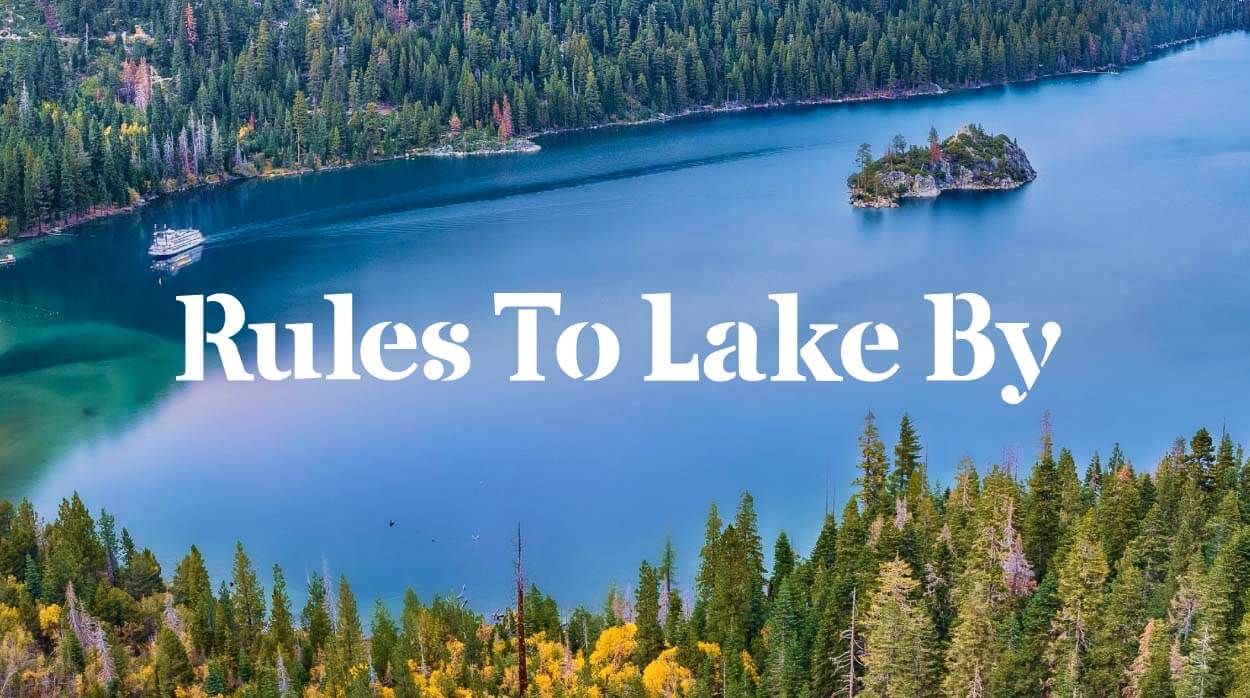
Keep Tahoe Awesome
The clearest blue water. The brightest green mountains. It’s awe and then some, but all this awesome doesn’t happen by accident. It comes from mutual respect for the South Shore, from locals and visitors alike. That’s why we created Rules to Lake By: five ways to practice responsible tourism at Lake Tahoe, so we can keep this place awesome today and awesome tomorrow.